


When a single bad beat threatens the rest of your session
One lost pot can snowball into a ruined session if you let frustration dictate your play. In poker, tilt is not just an emotional reaction — it’s a decision-making hazard that makes you predictable, aggressive, or reckless. You need strategies that work in the tight window between hands, when you don’t have time for long mental resets but must still regain control.
This part focuses on why quick fixes matter and how to recognize the earliest signs of tilt so you can apply practical tools immediately. By treating tilt like a short, identifiable interruption rather than an unstoppable mood, you’ll reduce costly errors and preserve your long-term edge.
Spot the earliest warning signs so you can act fast
If you can identify tilt as it begins, you can stop it before it changes your entire approach. Look for concrete, observable signals rather than relying on vague feelings. When you notice one or more of the following, prepare to use an immediate reset:
- Change in betting patterns: You find yourself overbetting marginal hands or chasing bluffs you would normally fold.
- Rising heart rate or shallow breathing: Physical cues often precede conscious awareness of anger or frustration.
- Short, hostile table talk: Negative comments toward opponents or the dealers indicate your mindset is compromised.
- Loss of patience: You click through decisions faster than usual or skip thought steps in preflop and postflop analysis.
- Obsessive replaying: You keep replaying the losing hand in your head instead of preparing for the next one.
Before you make another decision, pause long enough to check whether any of these signs are present. That pause is the moment in which quick fixes can be most effective.
Immediate reset techniques you can apply between hands
These micro-strategies are designed to be used in 10–60 seconds, without drawing attention or disrupting table dynamics. Practice them so that they become automatic reactions when you sense tilt creeping in.
Micro-breathing and physical grounding
Simple breathing exercises reduce sympathetic arousal and restore cognitive control. Use them at the table discreetly:
- Box breath: Inhale 4 seconds, hold 4, exhale 4, hold 4 — repeat twice. This lowers heart rate and sharpens focus.
- Slow exhale trick: Take a normal inhale and double the length of your exhale. Even one cycle calms your system.
- Grounding touch: Press fingertips together or place a hand on your thigh. The physical sensation redirects attention away from angry rumination.
Two-step mental checklist to restore decision-making
Turn your thought process into a short, repeatable checklist that you run through before every decision while you’re in a fragile mental state:
- Label: Name the emotion — “I’m annoyed” or “I’m tilted.” Labeling reduces the emotion’s intensity.
- Objective check: Ask two factual questions: What is my hand strength? What is my opponent’s range? If you can’t answer clearly, fold or slow-play until clarity returns.
Running this checklist takes only seconds but moves you from reactive to analytical thinking.
Micro-breaks and brief physical resets
Where allowed, use the time between hands for very short, deliberate actions that change your state:
- Stand and stretch for 10–20 seconds to release tension in your neck and shoulders.
- Take a sip of water and focus on its taste and temperature to interrupt mental loops.
- Shift your seating position or look away from the screen/table for a breath to reset visual focus.
Simple cognitive reframing to prevent escalation
Change the narrative you’re telling yourself about the hand. Reframing is a fast cognitive tool:
- Turn “I can’t believe I lost that” into “That one hand doesn’t define my skill or session.”
- Replace revenge thinking (“I’ll punish them with a bluff”) with curiosity (“What range could they have to play that way?”).
These reframes don’t eliminate emotion, but they redirect it into constructive analysis rather than punitive action.
Practice these micro-techniques during low-stakes or practice sessions so they become second nature, and you’ll be able to deploy them without hesitation when the pressure is real. In the next section, you’ll get short scripts and exact workout-style drills to train these resets, plus how to integrate them into both live and online play for consistent results.
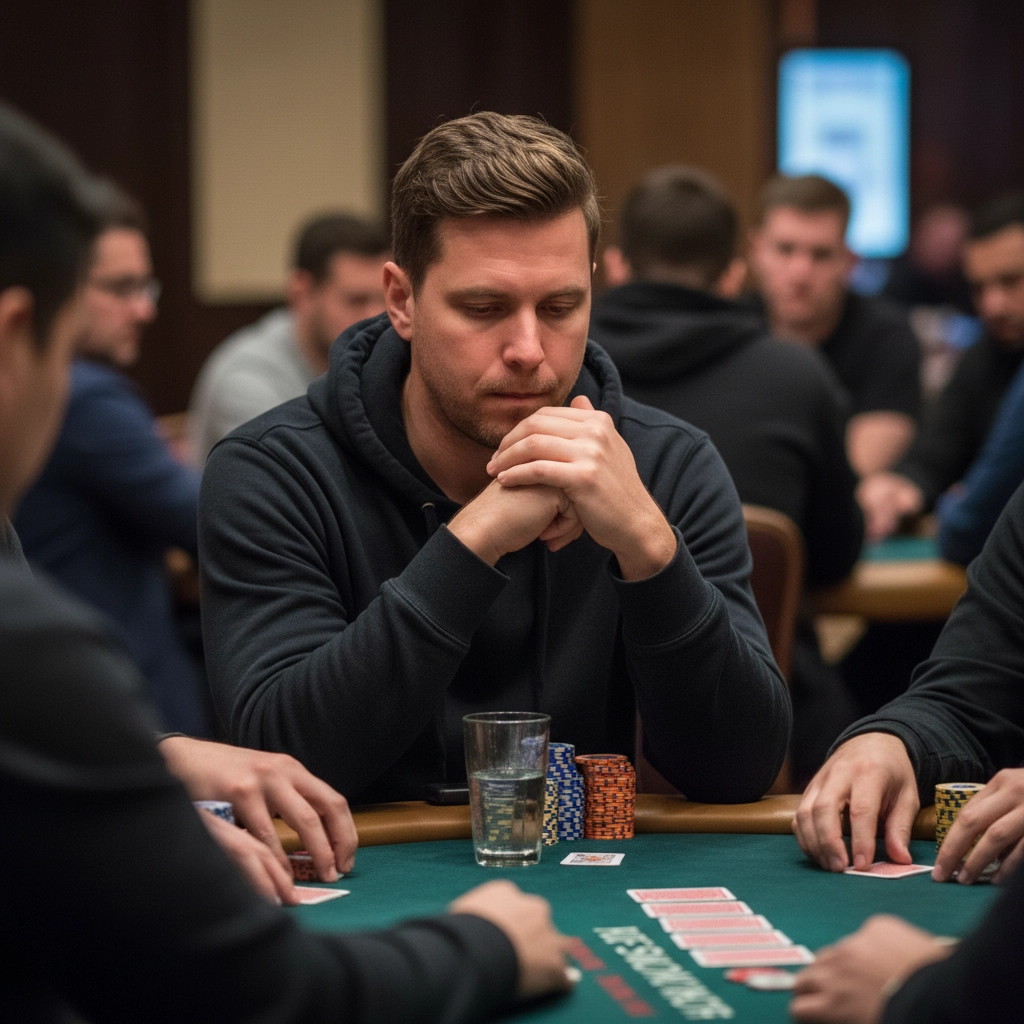
Train like an athlete: short drills to make resets automatic
Quick fixes only work if they’re automatic under pressure. That means practicing them outside of high-stakes moments until they become motor memory. Treat these as short, repeatable drills — 5–15 minutes each — you do several times per week.
- 10‑Second Reset Drill (daily, 5 minutes): Sit at your table or a practice table and simulate the exact pre-decision moment. Do a box breath (one cycle), label the emotion out loud or in your head (“I’m tilted”), run the two-question checklist (hand strength / opponent range), and then make a mock decision. Repeat 20–30 times. The goal is to compress the entire reset into ten seconds so it’s usable between real hands.
- Post‑Loss Replay Limit (3× per session): Practice intentionally allowing your mind 20–30 seconds to acknowledge a bad beat, then force a hard stop. Use a timer or an app to signal the end of the replay window. Immediately run a breathing cycle and the checklist. This trains the habit of short, bounded processing rather than endless rumination.
- Tilt Exposure Set (weekly, 10–15 minutes): In a low-stakes or simulator setting, deliberately play hands that will likely lose (or use a variance generator). When a loss occurs, employ your reset routine immediately. The controlled exposure desensitizes the sharp emotional spike so resets are easier in real sessions.
- Stacked Routine Practice (twice weekly): Combine a physical cue (stand/stretch), a breathing pattern, the label, and the checklist into one fluid routine. Practice it until you can execute every step without thinking. Use a small reward (a point on a notepad or a sip of water) to reinforce the habit loop: cue → routine → reward.
Schedule these drills like gym sessions. Short, frequent practice beats infrequent marathon sessions; habits are formed by repetition under mildly stressful conditions, not by rare, perfect performances.
Exact short scripts and phrases to use at the table
Words shape focus. Having a handful of exact internal and external scripts prevents impulsive language and channels emotion into productive thought.
- Internal one‑liners (use silently or whisper):
- “One hand at a time.”
- “This is variance, not a verdict.”
- “Label. Check facts.”
- “Breathe. See range.”
- External neutral lines (short, keeps table atmosphere calm):
- “Nice hand.”
- “Good luck.”
- “I’m sitting out one hand.”
- Dealer/timeout phrases: If you need a visible pause in live play, use: “I need a moment, please” or “Could you call the clock for me?” These are concise, non-dramatic, and give you permission to reset without drawing negative attention.
Practice saying these scripts until they feel natural. The internal lines redirect your cognition; the external ones control the social environment so you don’t escalate with table talk or revenge plays.
Integrating quick-fix routines into live and online play (and what to do when resets fail)
Practical differences matter. Here’s how to adapt routines to each format and what to do if a 10–60 second reset isn’t enough.
- Online: Use the platform to your advantage. Toggle the table sound or music to a calm track for 30 seconds; alt‑tab to a breathing app; hit “sit out” for a single hand if you need two minutes. Use hotkeys to mark hands for later review if a specific opponent trigger recurs.
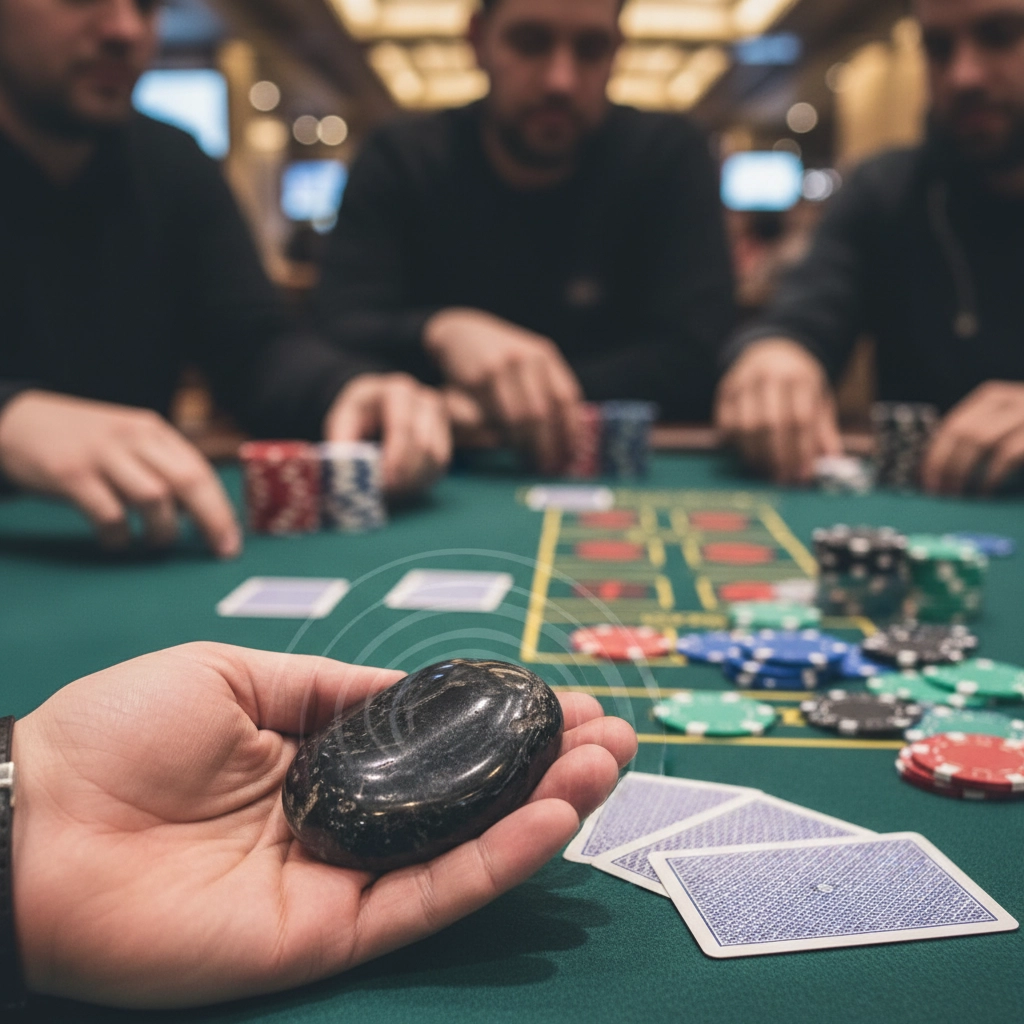
- Live: Use tactile grounding — squeeze a chip, press fingertips together, stand and stretch for ten seconds — so the reset is visible but unobtrusive. Take a glass of water and focus on its temperature. If permitted, step away and walk for 60–90 seconds; the change of scenery breaks the mental loop.
- When the micro-reset fails: Have a clear escalation plan so you don’t drift into prolonged tilt:
- Immediately sit out one full orbit (or one hand online) and use the time to do a full three-cycle breathing set.
- If you still feel compromised, take a 5–15 minute break: leave the table, get fresh air, or switch to a non-poker task (text a friend, do a short walk).
- If emotional control hasn’t returned, end the session. Stopping a losing session early protects bankroll and decision quality.
- Track and review: In your session notes, record every instance you used a reset and whether it worked. Note triggers (bad beat, long cold streak, table talk). Review weekly to identify patterns — certain opponents, stack sizes, or time-of-day effects — and adjust your pre-game routine accordingly.
With these drills, scripts, and integration strategies, the quick fixes you learned earlier become part of a reliable toolkit. When you practice intentionally and escalate thoughtfully, a single bad beat stops being a session‑breaker and just becomes another hand.
Make resets part of your game
Short resets are skills, not instant fixes. Treat them like any other part of your development: experiment, track what works, and be patient as the habits build. When practiced consistently, the small routines you perform between hands become reliable anchors that keep decisions clear and bankroll risk low. If you want deeper frameworks for the mental side of poker, resources like Mental Game of Poker can expand your toolkit.
Frequently Asked Questions
How long should a quick reset take at the table?
A useful quick reset is intentionally short: aim for 10–60 seconds. The goal is to interrupt the emotional spike, run a concise breathing cycle, label the feeling, and run a brief decision checklist. If you still feel compromised after that window, escalate to a longer break or sit out a hand.
Can I practice these drills effectively online as I would in live games?
Yes. Online play offers practical advantages—use sit-out functions, alt-tab to breathing apps, or mute/switch sounds to create a controlled reset. The key is consistent repetition in environments that simulate real triggers so the routine becomes automatic when it matters.
What should I do if tilt keeps returning despite regular practice?
If tilt persists, treat it like a recurring technical issue: review session notes to identify patterns, increase deliberate break frequency, and consider longer-format interventions (therapy, coaching, or dedicated mental-game programs). Reducing stakes or taking a planned hiatus can also protect bankroll while you rebuild control.