

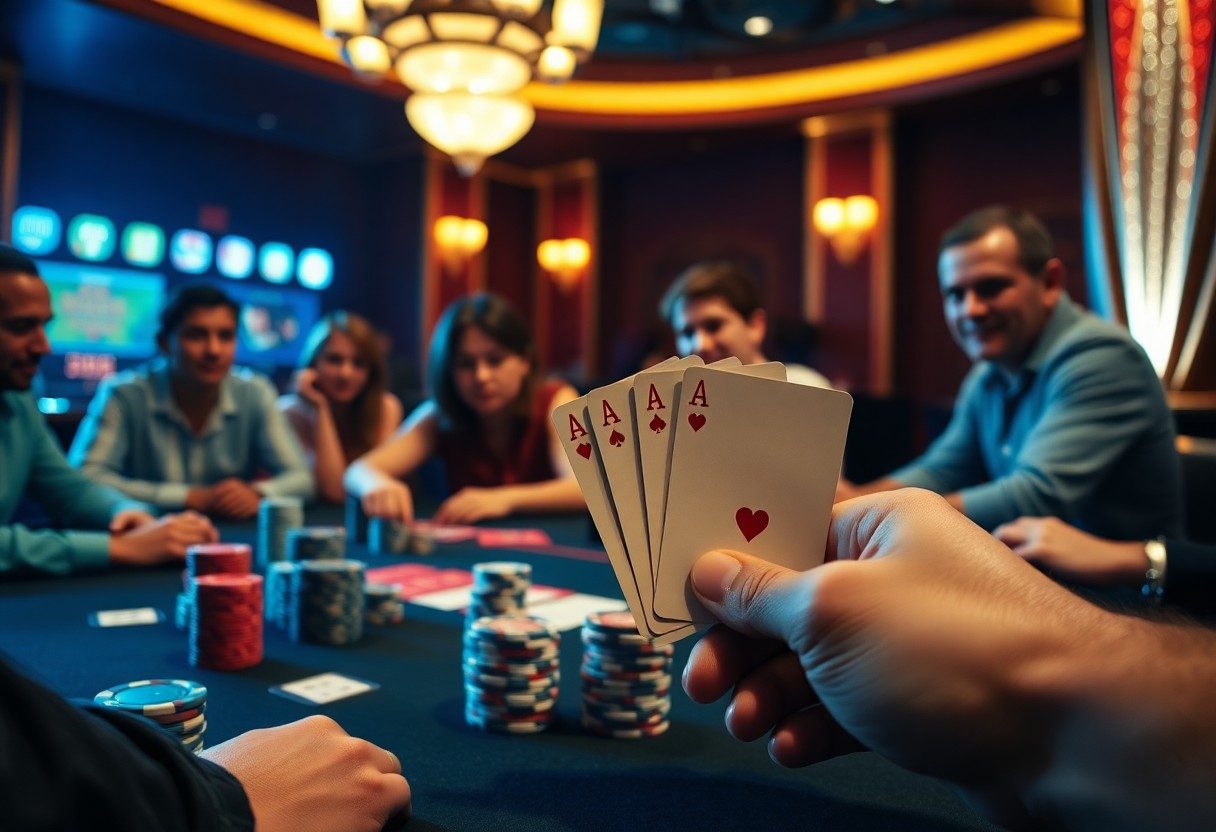
Poker is not just a game of cards; it’s a battlefield of psychology and strategy. Understanding the psychological principles behind bluffing can enhance your gameplay and give you a competitive edge. Mastering when to bluff, how to read opponents’ tells, and the importance of maintaining a balanced approach are important aspects every player must embrace. Recognizing the potential risks and rewards of bluffing can transform your strategy, making each bet a powerful tool in your arsenal.
Understanding Bluffing
Mastering the art of bluffing requires a deep comprehension of not only your own strategies but also the psychological elements that govern decision-making in poker. Successful bluffing encompasses timing, observation, and the ability to create a narrative that resonates with your opponents while misleading them. Recognizing the nuances of this gambling tactic can dramatically alter the outcomes of your games, enhancing both your win rate and overall enjoyment of the experience.
The Psychology of Deception
The essence of bluffing lies within deception, where players manipulate the perceptions of their opponents. Understanding the psychological triggers that lead players to trust or distrust their opponents creates opportunities for effective bluffs. Factors such as body language, betting patterns, and timing all play pivotal roles. For instance, a sudden large bet might signal strength, but it can also indicate a calculated bluff designed to intimidate.
Recognizing Opponent’s Patterns
Analyzing an opponent’s behavior and betting tendencies unveils patterns that are critical for successful bluffing. Players often exhibit specific traits, such as overly cautious play or aggressive betting in particular situations, which can be exploited. By cataloging these patterns, a player can identify the optimal moments to introduce a bluff, enhancing the chance of success.
For example, if an opponent has consistently folded to aggressive bets after the flop, establishing a bluff that mimics strength in later rounds becomes a strategically sound approach. Specific metrics, such as call frequency or the player’s reaction to raises, can highlight weaknesses. Players can leverage tools like notes or digital trackers to monitor these tendencies, providing an edge in determining when to apply pressure more effectively.
Types of Bluffs
Bluffing is not a one-size-fits-all strategy; players can adopt various types of bluffs to achieve their goals. Each type requires a keen understanding of psychology and behavior, which can shift the dynamics of the game significantly. Mastering these techniques can elevate your bluffing skills and help you extract maximum value from your poker sessions.
- Pure Bluff
- Semi-Bluff
- Stone Cold Bluff
- Value Bluff
- Reverse Bluff
| Type | Description |
| Pure Bluff | Complete misrepresentation of hand strength. |
| Semi-Bluff | Betting with a weaker hand that could improve. |
| Stone Cold Bluff | Bluffing with little chance of winning. |
| Value Bluff | Extracting chips by misleading opponents. |
| Reverse Bluff | Representing strength while holding a weak hand. |
The Pure Bluff
A pure bluff involves acting as though you hold a strong hand without any intention of winning at showdown. This tactic works best against inexperienced players who may fold under pressure or against opponents exhibiting cautious behavior. Timing and body language play significant roles, as a confident demeanor can lead to successful execution.
The Semi-Bluff
The semi-bluff is a versatile tactic that combines the aspects of both bluffing and betting with a hand that has the potential to improve. Players often utilize this strategy when holding drawing hands, increasing their chances of winning by either forcing a fold or completing a stronger hand. This approach adds layers of complexity, making it necessary for players to analyze their opponents thoroughly.
The semi-bluff effectively balances risk and reward, offering opportunities to leverage positional advantage. For instance, if you hold a flush draw, betting aggressively can induce folds from opponents fearing a stronger hand. Even if met with calls, the potential to improve your hand on the next card keeps you in the game strategically. Recognizing when to execute semi-bluffs can significantly enhance your overall game strategy and increase your chips at the table.
Timing Your Bluff
Timing plays a pivotal role in the success of a bluff. Executing a well-timed bluff can make the difference between winning a pot or losing credibility among your opponents. Timing factors include the current stage of the game, the betting patterns leading up to your play, and your table image. An astute player knows when to strike, often capitalizing on players who are showing weakness or have been involved in previous pots.
Importance of Position
Your position at the table significantly influences the effectiveness of a bluff. Being in a late position allows for greater insight into your opponents’ actions, enabling you to gauge their strength or weaknesses. A well-timed bluff from late position often catches players off guard, particularly if they are likely to fold when faced with pressure after having previously shown hesitance.
Reading the Table Dynamics
Understanding table dynamics is important for gauging the right moment to bluff. Analyzing players’ tendencies, stack sizes, and overall mood can guide your strategy. For example, if a player shows aggression but is prone to folding under pressure, they’re prime targets for a bluff. Spotting shifts in sentiment or behavior among opponents will enhance your decision-making, allowing for more successful bluffs.
Observing table dynamics requires acute awareness of betting frequencies and player interactions. For instance, if a player has just lost a significant hand and is visibly frustrated, they might be less discerning when facing a bluff. Additionally, identifying patterns—such as players who consistently check when facing pressure—can provide insight into when a well-placed bluff is likely to succeed. Pay close attention to how players react post-flop; a sudden change in demeanor may signal an opportunity to exploit their uncertainty.
Psychological Factors in Bluffing
Bluffing in poker intertwines deeply with psychological factors that can influence both the bluffer and the opponents. Successful bluffing requires an understanding of behavioral cues, table dynamics, and how emotions can drive decisions. Players must gauge their opponents’ emotional states and tendencies to find openings for a convincing bluff. Additionally, knowing how to leverage perceived vulnerability or strength strengthens a bluff’s impact. Knowing that tactics like misdirection can serve well here further amplifies the potential for success.
Self-Awareness and Control
Self-awareness in poker is about recognizing one’s own tendencies and emotional state while playing. By maintaining control over reactions and behaviors, players can better execute bluffs without revealing intentions. This understanding also fosters a more authentic presence at the table, making it easier to convince opponents. Staying mindful of personal habits prevents unwanted tells that could compromise a bluff’s efficacy.
Emotional Intelligence in Play
Emotional intelligence enables players to read the atmosphere of the table and adjust their strategies accordingly. It includes perceiving the emotions of opponents, discerning when they feel confident or anxious, and using this information to formulate bluffs. A player with high emotional intelligence can exploit moments when opponents are vulnerable or overly confident, increasing the likelihood of a successful bluff.
Building stronger emotional intelligence involves practice and observation. Players can enhance their skills by analyzing behavioral patterns and reactions during games. For instance, noticing a player’s body language shift or their betting patterns can indicate fluctuating confidence levels. This insight allows a player to time their bluffs more effectively, capitalizing on opponents’ psychological states. By blending acute observation with strategic manipulation of emotions, skilled players use emotional intelligence to enhance their bluffing effectiveness.
Strategies for Executing a Successful Bluff
A successful bluff hinges on several strategic elements that can mislead opponents effectively. One significant technique involves understanding the table dynamics and identifying the right moments to act boldly. Timing is everything; bluffing when opponents exhibit weakness increases the chances of success. Consider also the pot size; a larger pot might make your opponents more inclined to call, while a smaller one might invite more aggressive bluffing. Developing an awareness of your position relative to other players can set the stage for a well-timed bluff.
Creating a Convincing Story
Crafting a convincing narrative is necessary for a successful bluff. This means establishing a plausible hand that your opponent can believe. Think about the betting patterns you display—vary them to align with the story you’re telling. If you’ve called raises in early rounds, a sudden large bet can indicate a strong hand, suggesting you’ve drawn something on later streets. This narrative coherence enhances believability, and players are more likely to fold if they perceive your story as consistent and realistic.
Consistency and Credibility
Bluffing requires a seamless blend of actions that support your intended story. Achieving credibility hinges on your prior gameplay and the signals you send through betting. If your previous actions suggest a conservative approach, a sudden aggressive bluff may raise suspicions. Alternating between play styles helps disguise your intent, making others question whether this time you truly hold a winning hand. A solid reputation of bluffing successfully gives weight to your current gambit; having bluffed previously can increase the likelihood of getting away with it again, as opponents may be more inclined to believe your narrative.
Common Mistakes in Bluffing
Understanding the common mistakes players make while bluffing is crucial for improving one’s game. Many inexperienced players often fall into the trap of excessive bluffing or failing to read their opponents accurately. These mistakes can lead to significant losses and missed opportunities. Being aware of these pitfalls enables players to refine their strategies and enhance their overall effectiveness at the poker table.
Over-Bluffing
Over-bluffing can be a fatal error in poker, giving opponents a chance to capitalize on your reckless behavior. Players who frequently attempt to bluff risk becoming predictable, allowing savvy opponents to easily call their bets. Establishing a balance between bluffing and playing strong hands is crucial; a stronger, calculated approach yields better results over time.
Misreading Opponents
Misreading opponents can lead to significant mistakes in bluffing scenarios, often resulting in costly errors. Recognizing body language, betting patterns, and timing is pivotal; failure to interpret these signals accurately can tarnish great bluffing opportunities or result in misguided bets. For instance, a player may mistakenly assume that aggressive betting indicates strength when it might simply be a feint to induce a fold. Paying attention to details and adjusting to the unique tendencies of each opponent leads to more informed and effective bluffing decisions.
To wrap up
As a reminder, mastering the art of bluffing in poker requires a solid understanding of psychological principles. Players should be aware of their own body language and the cues of their opponents, leveraging these insights to craft convincing bluffs. Timing, bet sizing, and emotional control are key components in executing successful bluffs. By honing these skills, players can enhance their strategic approach, effectively manipulate perceptions, and ultimately increase their chances of success at the table.
FAQ
Q: What is the psychology behind effective bluffing in poker?
A: Effective bluffing relies on understanding your opponents’ perceptions and emotions. By analyzing their behavior, you can identify patterns and gauge their confidence levels. Using this information, you can create a believable story through your betting patterns, body language, and reaction to the community cards. The goal is to induce doubt and uncertainty in your opponents about the strength of their hands.
Q: How can I improve my bluffing strategy at the poker table?
A: To enhance your bluffing strategy, focus on the timing and context of your bluffs. Start by choosing the right moments, such as when the board shows potential that your opponent may fear. Incorporate a balance of strong hands and bluffs to maintain unpredictability. Observing other players and adjusting your approach based on their tendencies can also support a more effective bluffing strategy.
Q: What common mistakes do players make when bluffing?
A: Players often make the mistake of over-bluffing or being too predictable. It’s vital not to bluff too frequently, as this can diminish credibility. Additionally, lacking a solid understanding of your opponents’ tendencies can lead to poorly timed bluffs. Failing to consider the texture of the board and incorrectly reading the dynamics of the table can also undermine a bluff’s success.